
Introduction
Finding the right word can sometimes be difficult, whether someone is writing an article, completing an assignment, solving a word puzzle, or learning a new language. Digital language resources have made it easier to explore vocabulary, discover alternative expressions, understand definitions, and improve writing. WordHippo is a popular online word resource associated with a wide range of language-related searches, making it useful for students, writers, teachers, word-game enthusiasts, and language learners.
A comprehensive word resource can be helpful because vocabulary needs vary from situation to situation. Someone writing a formal paragraph may want a suitable synonym, while a student may need to understand the meaning of an unfamiliar word. A person working on a poem may search for rhyming words, whereas a puzzle player may need words that match a particular letter pattern. Exploring these different possibilities can make language learning more interactive and practical.
What Is WordHippo?
WordHippo is an online language resource designed to help users explore words and their relationships. It is commonly used for finding synonyms, antonyms, meanings, rhyming words, translations, and other vocabulary-related information.
Instead of relying on a traditional printed dictionary for every language question, users can search for a word digitally and explore related information. This makes the resource particularly convenient when someone needs several types of word information in a short period.
The usefulness of a word platform depends on the task. A student might use it to expand vocabulary, while a writer could use it to find alternatives to repetitive wording. Word-game players may also use word-related search features to explore spelling patterns and possible combinations.
Why Online Word Tools Are Useful
Online vocabulary tools provide quick access to information that can otherwise require searching through multiple reference books. A user can enter a word and explore its meaning, related terms, opposite meanings, or other linguistic information.
This convenience is particularly valuable when writing. Repeating the same word too many times can make a paragraph feel monotonous. Finding appropriate alternatives can help writers create more varied and precise sentences. However, synonyms are not always interchangeable, so users should consider context before replacing one word with another.
For students and language learners, online word tools can also make vocabulary practice more engaging. Instead of memorizing isolated lists, learners can explore relationships between words and understand how different terms are used.
WordHippo for Finding Synonyms
One of the common reasons people use WordHippo is to discover synonyms. A synonym is a word with a similar or related meaning to another word. Synonyms can be useful when writers want to avoid repetition or find a term that better matches the intended tone.
For example, a writer may know the word “important” but want an alternative that sounds more precise in a particular sentence. Exploring related vocabulary can provide several possibilities. The writer can then choose the word that fits the context rather than automatically replacing the original term.
This approach can improve vocabulary while also teaching subtle differences between related words. Some synonyms may be more formal, informal, emotional, technical, or appropriate for a particular situation.
Understanding Antonyms
Antonyms are words that have opposite or contrasting meanings. Understanding antonyms can help learners build a stronger vocabulary because learning one word often creates an opportunity to learn another related concept.
For students, antonym exercises can be useful for language development and comprehension. Writers can also use contrasting vocabulary when explaining differences between ideas or describing opposing situations.
Exploring both synonyms and antonyms provides a broader understanding of how words relate to each other. Rather than learning vocabulary as isolated units, users begin to see language as a network of connected meanings.
Exploring Word Meanings
Understanding the meaning of a word is one of the most fundamental parts of vocabulary development. A dictionary-style resource can help users identify definitions and explore how words are commonly used.
However, knowing a definition alone may not always be enough. Many words have multiple meanings depending on context. A word used in everyday conversation may have a different meaning in science, business, technology, or literature.
Users should therefore consider example sentences and surrounding context whenever possible. Learning how a word functions in an actual sentence can make it easier to remember and use correctly.
WordHippo for Writers
Writers often need to choose words carefully. Whether writing a blog post, essay, story, product description, or professional document, vocabulary can influence clarity and tone. WordHippo can be useful during the drafting and editing process when writers want to explore alternative expressions.
For example, if a writer notices that the same adjective appears repeatedly, searching for related vocabulary can provide alternatives. However, strong writing is not simply about using complicated words. The replacement should be accurate, natural, and appropriate for the intended audience.
Good writers use word resources as supporting tools rather than allowing them to determine every sentence. The final choice should always reflect the writer’s intended meaning.
Improving Vocabulary Through Word Exploration
Vocabulary development becomes easier when learners actively explore new words. Instead of simply memorizing a definition, learners can examine synonyms, antonyms, related terms, spelling, pronunciation, and examples.
A useful technique is to create a personal vocabulary list. When encountering an unfamiliar word, a learner can record its meaning and write an original sentence using it. Reviewing the list periodically can reinforce memory.
Reading also plays an important role. Books, articles, essays, and other written material expose learners to words in context. When combined with digital vocabulary tools, reading can become a powerful way to discover and understand new language.
Using Word Tools for Students
Students can use online word resources for many academic activities. They may need help understanding difficult vocabulary in textbooks, finding alternative words for assignments, or improving the clarity of written responses.
Teachers can also incorporate vocabulary tools into classroom activities. Students can be asked to identify synonyms and antonyms, compare related words, or create sentences using unfamiliar vocabulary.
The goal should be learning rather than simply replacing words. Students benefit more when they understand why a particular word is suitable and how its meaning differs from similar terms.
WordHippo and Rhyming Words
Rhyming is important in poetry, songwriting, creative writing, and some forms of wordplay. Finding words that share similar ending sounds can be difficult, particularly when a writer is looking for less obvious possibilities.
WordHippo can be relevant to users exploring rhyming vocabulary and experimenting with different word combinations. Rhyming resources can help writers generate ideas when developing poems, verses, slogans, or creative passages.
However, a rhyme should not be selected only because the sound matches. The word should also make sense within the sentence and support the overall meaning of the writing.
Using Word Resources for Word Games
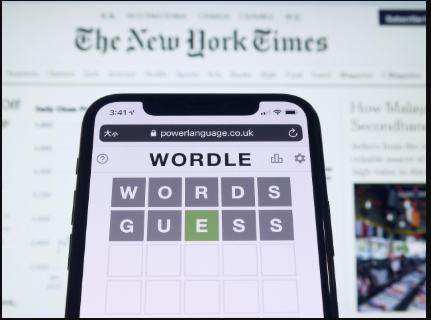
Word games challenge players to think about spelling, meanings, letter combinations, and vocabulary. Crossword puzzles, anagrams, word searches, and other language games can all benefit from a strong understanding of words.
Digital word resources can help players explore possible vocabulary and learn unfamiliar terms. This can be particularly useful when a puzzle introduces unusual letter combinations or less familiar words.
For competitive games, users should always follow the rules of the particular game. Some activities allow external reference tools, while others are designed to test independent vocabulary knowledge.
WordHippo for Language Learners
People learning English or another language can use digital word resources to expand their vocabulary. Exploring synonyms and related words can help learners understand distinctions that may not be obvious from a direct translation.
Language learners can also benefit from comparing words according to formality and context. A term that is suitable for casual conversation may not be appropriate for academic writing, while a technical term may not be natural in everyday speech.
Regular vocabulary exploration can gradually improve reading comprehension, writing ability, and confidence in communication.
Finding the Right Word for Context
One of the most important lessons when using a vocabulary resource is that the most complicated word is not necessarily the best choice. Effective communication depends on clarity, accuracy, and context.
Two words may have similar dictionary definitions but produce different impressions. One might sound formal, another conversational, and another emotionally stronger. Writers should consider their audience and purpose before selecting an alternative.
This is particularly important for professional and academic writing, where precision matters more than simply using unusual vocabulary.
Improving Spelling and Word Recognition
Word tools can also support spelling practice. When learners encounter unfamiliar words, examining their letter patterns can make those words easier to remember.
Students can practice by writing new vocabulary several times, using the words in sentences, and testing themselves without looking at the original spelling. Word games can provide another engaging method of reinforcing spelling.
Over time, repeated exposure to common prefixes, suffixes, vowel combinations, and consonant patterns can improve word recognition and spelling confidence.
Using Online Word Tools Responsibly
Digital tools are useful, but they should complement rather than replace language learning. If students use a word resource to complete every vocabulary exercise without understanding the answers, they may miss an opportunity to develop independent skills.
A better approach is to use online tools for exploration and verification. Users can first attempt to solve a problem independently and then use a word resource to check their answer or discover additional possibilities.
This approach combines convenience with active learning and encourages users to develop stronger vocabulary skills over time.
Common Mistakes When Using Synonyms
One common mistake is assuming that every synonym can replace the original word in every sentence. Although two words may share a general meaning, their tone, grammatical behavior, or context can differ.
Another mistake is choosing a word simply because it sounds more sophisticated. Complex vocabulary can sometimes make writing less clear. The best word is usually the one that communicates the intended idea accurately and naturally.
Users should therefore examine definitions and examples before replacing important words in their writing.
How to Build a Stronger Vocabulary
Building vocabulary is a gradual process. Reading regularly, writing frequently, learning new words, and reviewing previously learned vocabulary can all contribute to improvement.
Users can create a daily vocabulary routine by selecting a few unfamiliar words, researching their meanings, finding related terms, and writing original sentences. Revisiting these words later helps reinforce memory.
Word games can make the process more enjoyable. Crossword puzzles, anagrams, spelling challenges, and rhyming exercises encourage learners to interact with language in different ways.
Conclusion
WordHippo can be a useful digital resource for people who want to explore vocabulary, discover synonyms and antonyms, understand word meanings, find rhymes, improve spelling, and support language learning. Its broad range of word-related uses makes it relevant to students, writers, teachers, puzzle enthusiasts, and anyone interested in improving communication skills.
The greatest value of an online vocabulary tool comes from using it thoughtfully. Instead of simply replacing words, users can explore definitions, compare related terms, understand context, and practice using new vocabulary independently. This turns a quick search into a meaningful learning activity.
Whether the goal is improving an essay, solving a word puzzle, writing creatively, or learning English, WordHippo can serve as a convenient starting point for exploring the possibilities of language. Combined with reading, writing, and regular practice, digital word resources can help users develop a richer and more confident vocabulary.

