

Introduction
Finding the right word can sometimes be challenging, especially when playing word games, solving puzzles, practicing spelling, or building vocabulary. Five-letter words are particularly popular because many modern word games use them as a basic format. Players may need to discover a hidden word, arrange letters, identify possible combinations, or find words matching a specific pattern. Tools and word resources can make this process easier by allowing users to explore words according to length, letters, meanings, and other characteristics. WordHippo 5 letter words is a useful search concept for people who want to explore five-letter vocabulary for different purposes.
Five-letter words are also valuable for students, writers, language learners, crossword enthusiasts, and puzzle fans. They can help people understand spelling patterns, discover unfamiliar vocabulary, and practice identifying words from limited information. A word-finding resource can provide inspiration when someone knows several letters but cannot immediately remember a suitable word. By understanding how to search for, organize, and learn five-letter words, users can turn a simple word list into a useful language-learning resource.
What Are Five-Letter Words?
Five-letter words are words containing exactly five alphabetic characters. Examples include words such as apple, house, water, plant, chair, world, and smile. Although five letters may seem like a small limitation, the English language contains a large number of words that fit this format.
Five-letter words are common in games because their length provides a balance between simplicity and challenge. Players can usually recognize familiar words while still encountering many possible combinations. Some five-letter words are extremely common, while others are less familiar and may introduce players to new vocabulary.
When searching for WordHippo 5 letter words, users may be interested in more than simply receiving a list. They may want words containing specific letters, words beginning or ending with particular characters, synonyms, antonyms, definitions, or words that fit a puzzle pattern. Understanding these different search purposes can make word tools much more useful.
Why Five-Letter Words Are Popular
Five-letter words have become especially popular because of their connection with word puzzles and guessing games. A limited word length creates clear rules while still allowing thousands of possibilities. Players must think carefully about spelling, letter placement, and vocabulary.
These words are also useful for educational activities. Teachers can use five-letter vocabulary for spelling exercises, reading practice, word recognition, and classroom games. Students can learn how prefixes, suffixes, vowels, and consonants interact within short words.
For language learners, five-letter words provide manageable vocabulary targets. Learning a smaller group of useful words can be easier than trying to memorize a huge dictionary. Once basic vocabulary becomes familiar, learners can gradually expand into longer and more specialized words.
How Word-Finding Tools Help
Word-finding tools can save time when someone is searching for a word that meets specific conditions. Instead of manually checking a dictionary, users can enter known letters, word length, or other requirements. The results can then be examined to identify possible matches.
For example, a puzzle player may know that a five-letter word begins with “S” and contains the letter “A.” A word search tool can narrow the possibilities considerably. Similarly, someone looking for words ending in a particular combination can use letter-position information to reduce the list.
The value of WordHippo 5 letter words searches comes from this ability to explore vocabulary according to a specific purpose. Instead of browsing unrelated words, users can focus on the exact type of vocabulary required for their puzzle, writing task, or learning activity.
Five-Letter Words for Word Games
Word games often require players to think strategically. A player may know some letters but not their exact positions. In this situation, understanding common five-letter words can provide a significant vocabulary advantage.
Good puzzle solving involves more than randomly guessing words. Players can examine vowels, common consonant combinations, repeated letters, and possible endings. For example, recognizing patterns such as “-ing,” “-ight,” or “-tion” can help identify possible words, although not every pattern will fit a five-letter requirement.
Using a word resource can also help players learn from unsuccessful guesses. Instead of simply finding an answer, they can examine other words containing similar letters. Over time, this process can expand vocabulary and improve pattern recognition.
Finding Words With Specific Letters
One of the most useful applications of five-letter word searches is finding words containing particular letters. A player might know three letters from a puzzle and need to determine where the remaining characters could fit.
For example, if the available letters include A, R, and T, there may be multiple possible arrangements. The challenge is to determine which combinations form valid English words. Word tools can help users explore these possibilities systematically.
Letter-position information can make the search even more precise. Knowing that a particular letter appears at the beginning, middle, or end of a word can eliminate many incorrect possibilities. This method is useful for puzzles and can also help learners understand English spelling patterns.
Five-Letter Words and Vocabulary Building
Five-letter words can be an effective way to develop vocabulary because they are short enough to study easily while still covering many different meanings. Students can create personal vocabulary lists based on common words, academic words, descriptive terms, or words related to particular subjects.
Learning a word should involve more than memorizing its spelling. Understanding its definition, pronunciation, grammatical role, and use in a sentence can make the word easier to remember. For example, learning a word alongside a simple sentence provides context that a standalone list cannot provide.
Searching for WordHippo 5 letter words can therefore become part of a broader language-learning routine. Users can discover unfamiliar words and then investigate their meanings and practical applications.
Five-Letter Words for Students
Students can benefit from five-letter word exercises in several ways. Spelling activities can improve attention to individual letters, while vocabulary exercises can introduce new words. Teachers can also use word games to make language practice more engaging.
Students learning English as an additional language may find short words particularly useful. Five-letter words can serve as a bridge between basic vocabulary and more advanced language. Once students become comfortable with common short words, they can begin exploring synonyms, related terms, and longer variations.
Parents can also create simple word activities at home. For example, children can be asked to find five-letter words beginning with a particular letter or identify words that contain a particular vowel. These activities can turn vocabulary practice into a fun challenge.
Understanding Word Patterns
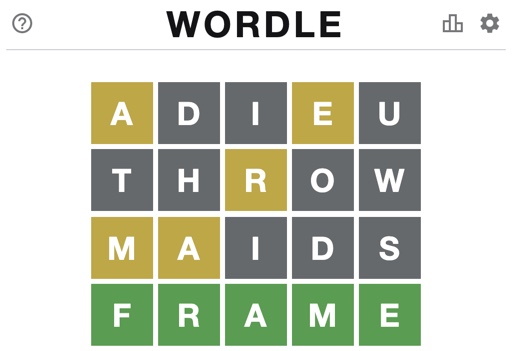
Recognizing patterns is one of the most important skills in word puzzles. English contains many recurring combinations of letters. Learning these patterns can make it easier to predict possible words.
Common vowel patterns can be particularly helpful. A five-letter word may contain one, two, or sometimes more vowels depending on the word. Consonant combinations also provide useful clues. For example, certain letters frequently appear together in English, while other combinations are uncommon.
Pattern recognition develops naturally through repeated exposure to vocabulary. The more words a person encounters, the easier it becomes to recognize familiar structures. This is one reason regular use of WordHippo 5 letter words resources can be useful for both puzzle solving and vocabulary development.
Synonyms and Related Five-Letter Words
Word resources are not limited to spelling puzzles. They can also help users find synonyms and related vocabulary. Someone writing a sentence may know a particular idea but want a shorter or more precise word.
For example, a writer might search for alternatives to a common adjective or verb and then filter the results by word length. This can be useful when writing poetry, creating puzzles, developing educational exercises, or working with strict word-count requirements.
Learning synonyms also improves language flexibility. Instead of repeatedly using the same word, writers can select alternatives that better match the intended meaning. However, synonyms are not always perfectly interchangeable, so users should consider context and grammatical usage.
Five-Letter Words for Crossword Puzzles
Crossword puzzles frequently require solvers to identify words based on a combination of clues and letter positions. A five-letter answer may be difficult when only one or two letters are known.
A word finder can help generate possible candidates, but understanding the clue remains essential. Crossword answers may depend on definitions, wordplay, abbreviations, names, or specialized vocabulary. Simply finding a five-letter word that matches the letters does not guarantee that it fits the clue.
Regular crossword solving can gradually improve vocabulary. Players encounter unusual words and learn meanings that may not appear frequently in everyday conversation. This makes word puzzles both entertaining and educational.
Common Mistakes When Searching for Words
One common mistake is focusing only on the letters that are already known. Players sometimes forget to consider repeated letters or less obvious word patterns. Another mistake is assuming that every familiar-looking combination forms a valid English word.
Spelling also matters. A single incorrect letter can turn a valid word into something that does not exist. Players should carefully check letter positions and avoid changing known information simply because a particular guess seems attractive.
Another mistake is relying entirely on a word tool without learning from the results. The greatest long-term benefit comes from understanding why a word fits and remembering unfamiliar vocabulary. This turns a quick search into an opportunity for language development.
Improving Word-Game Skills
Improving at word games requires a combination of vocabulary knowledge, pattern recognition, spelling awareness, and logical thinking. Players can begin by learning common five-letter words and gradually adding less familiar vocabulary.
Reading regularly is another effective way to encounter new words naturally. Books, articles, essays, and quality educational material expose readers to vocabulary in context. When an unfamiliar word appears, learning its meaning and usage can make it easier to remember.
Puzzle practice can then reinforce this knowledge. By combining reading with regular word games, users can gradually become faster at recognizing patterns and generating possible answers.
Using Wordhippo for Language Practice
The concept of WordHippo 5 letter words can be useful beyond games. A student might use five-letter vocabulary to practice spelling, while a writer may use word searches to explore alternatives. Language learners can investigate definitions and related terms, and puzzle enthusiasts can use word patterns to solve challenges.
The key is to use word resources actively rather than passively. Instead of copying a list and forgetting it, users can select unfamiliar words, study their meanings, and create example sentences. Repeated exposure helps move vocabulary from recognition into practical knowledge.
Word tools are most effective when they complement other learning methods. Reading, writing, conversation, and regular practice all contribute to stronger language skills.
Choosing Useful Five-Letter Words
Not every five-letter word is equally useful for everyday communication. Beginners may want to focus on common words first before exploring uncommon or specialized vocabulary. Words related to daily activities, people, places, objects, actions, and emotions can provide a strong foundation.
Puzzle players may eventually want to learn unusual words because these can appear in challenging games. However, vocabulary learning should remain meaningful. Understanding how a word is used is generally more valuable than memorizing a long list without context.
A balanced vocabulary list can include common words, useful synonyms, descriptive terms, and a small selection of unusual words. This approach provides both practical language knowledge and puzzle-solving flexibility.
Conclusion
Five-letter words are useful for far more than word games. They can support spelling practice, vocabulary development, crossword solving, writing, language learning, and logical thinking. Because their length is limited, they provide a manageable way to explore English vocabulary while still offering thousands of possible combinations.
Using WordHippo 5 letter words as a search concept can help users find vocabulary according to letters, patterns, meanings, and word length. However, the real value comes from learning from the results. Understanding definitions, recognizing spelling patterns, studying synonyms, and practicing words in context can turn a simple word search into a valuable learning activity.
Whether you are solving a puzzle, improving your English, helping a student, or searching for the right word while writing, five-letter vocabulary provides an accessible starting point. With regular practice and curiosity, word-finding activities can become an enjoyable way to strengthen language skills and discover new vocabulary.

