
Introduction
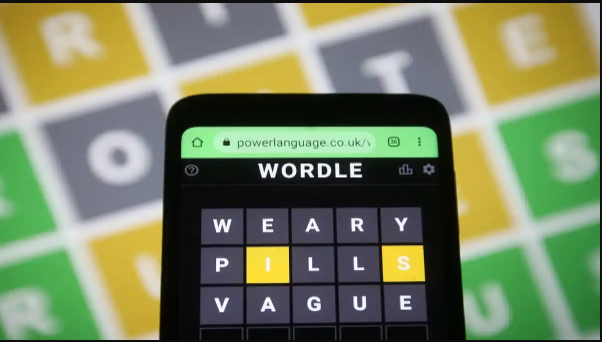
Five-letter words are an important part of many popular word games, spelling activities, vocabulary exercises, and language-learning tasks. Players often need to discover words that fit specific letter patterns, while students and writers may want to explore new vocabulary with a particular length. The phrase 5 letter WordHippo is commonly searched by people looking for a convenient way to explore five-letter words and related language information. A word resource can help users investigate possible words, meanings, synonyms, spelling patterns, and other useful details. Five-letter vocabulary is particularly interesting because it is large enough to provide many possibilities while still being short enough for puzzle-based games. Learning how to search for words according to their length, known letters, and position can make word-solving more efficient. At the same time, understanding the meanings of discovered words can turn a simple puzzle activity into an opportunity for vocabulary development and better language awareness.
What Does 5 Letter WordHippo Mean?
The term 5 letter WordHippo generally refers to using WordHippo as a resource for finding or exploring words that contain exactly five letters. Users may be interested in five-letter words for different reasons, including word games, crossword puzzles, spelling practice, writing, and vocabulary learning.
A five-letter search can be more useful when combined with additional information. For example, a player may know that a word begins with S, ends with E, and contains another particular letter. Narrowing the search according to these clues can reduce the number of possibilities. Word resources can therefore serve as both vocabulary references and puzzle-solving aids.
Why Five-Letter Words Are Popular
Five-letter words have become especially popular because many word games use this length as their central format. A five-letter word is short enough to make puzzles accessible but long enough to create thousands of possible combinations. Players can use clues about individual letters to gradually identify the correct answer.
Beyond games, five-letter words are useful for spelling exercises and classroom activities. Teachers can ask students to create lists of words with five letters, group them according to meaning, or identify words containing specific combinations. Writers and language learners can also use them as manageable vocabulary-building exercises.
How a Five-Letter Word Search Works
A typical five-letter word search begins with a simple requirement: the answer must contain exactly five letters. Additional conditions can then be added. These may include a known first letter, a fixed final letter, specific letters that must appear, or letters that cannot be included.
For example, if a puzzle provides the pattern _ A _ E _, the number of possible words is already much smaller than the entire collection of five-letter vocabulary. Users can then consider common English spelling patterns and meanings. Searching systematically is generally more effective than trying random words.
Finding Words With Known Letters
One of the most useful applications of a five-letter word tool is searching when some letters are already known. Suppose a puzzle tells you that the word contains R and T but does not reveal their exact positions. Instead of searching through every possible five-letter word, you can focus on words containing both letters.
This approach is particularly useful for word games. Players can organize their clues into three categories: letters confirmed in the correct position, letters known to be present but misplaced, and letters that have been eliminated. Combining these categories can make the search much more efficient.
Using Letter Positions
Knowing the position of a letter can significantly narrow a five-letter search. If the first letter is confirmed, users can focus on words beginning with that character. If the middle or final position is known, the possibilities can be reduced further.
Position-based thinking also helps players recognize familiar spelling patterns. For example, a known ending such as “-ING” can immediately suggest a particular group of words. Similarly, common endings such as “-ER,” “-ED,” or “-LY” may help identify possible answers, although not every combination will form a valid five-letter word.
5 Letter WordHippo for Word Games
The 5 letter WordHippo search concept is particularly relevant to word games that require players to identify words of a specific length. Players may use a word resource to explore possible vocabulary after receiving clues about letters.
However, a word tool should ideally support the solving process rather than completely replace it. Players can first analyze their clues and create possible patterns before searching for additional vocabulary. This approach can improve both puzzle performance and word knowledge.
Building Vocabulary With Five-Letter Words
Five-letter words can provide an approachable way to expand vocabulary. Learners can create lists of unfamiliar words and study their definitions, pronunciation, synonyms, antonyms, and example uses. Because the words are relatively short, they can be easier to remember and organize into groups.
For example, learners can create categories such as nature, emotions, actions, objects, and places. Studying words by theme can make vocabulary more meaningful than memorizing random lists. Whenever a new word is discovered through a puzzle, learning its meaning can turn an entertainment activity into a useful educational experience.
Learning Word Meanings and Context
Finding a five-letter word is only the first step. Understanding how that word is used is equally important. Some words may have multiple meanings, while others may be common in one context but uncommon in everyday conversation.
Users should therefore examine the definition and consider example sentences. Context shows whether a word is being used as a noun, verb, adjective, or another part of speech. This is particularly important when selecting synonyms because two words can have similar dictionary definitions but sound very different in actual sentences.
Five-Letter Words for Students
Students can benefit from five-letter word activities in several ways. Teachers can use them for spelling tests, vocabulary exercises, reading comprehension, and creative writing. Students can also practice identifying words with particular prefixes, suffixes, or letter combinations.
A five-letter word list can be used to create classroom games. Students might be asked to find words beginning with a certain letter, identify words with a particular vowel, or write sentences using newly learned terms. These activities encourage active participation and can make vocabulary practice more engaging.
Using Five-Letter Words for Spelling Practice
Spelling can improve when learners repeatedly encounter words in different contexts. Five-letter words are useful because they are neither extremely short nor excessively long. Students can practice writing them, arranging their letters, identifying vowels and consonants, and creating sentences.
Word puzzles can also reveal common spelling patterns. Once learners recognize combinations such as TH, CH, SH, ST, and other frequent sequences, they may find unfamiliar words easier to approach. Regular exposure can strengthen spelling awareness over time.
Five-Letter Words and Anagrams
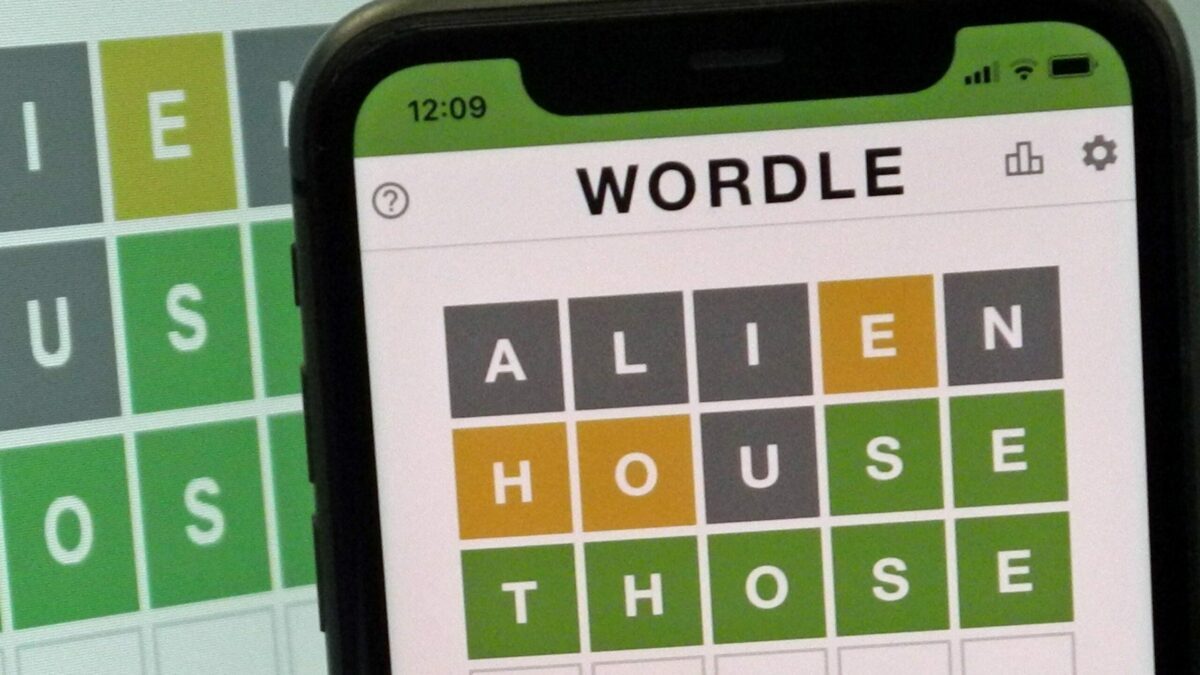
Anagrams are words or phrases created by rearranging letters. Five-letter words are especially suitable for anagram activities because their length provides enough complexity while remaining manageable.
For example, a player may be given five letters and asked to find every possible word that can be created from them. This type of activity develops letter recognition and encourages flexible thinking. A word resource can help users explore possible arrangements when they become stuck, while manually attempting combinations first can provide valuable practice.
Using Five-Letter Words in Crosswords
Crossword puzzles often require answers of specific lengths. A clue may indicate that the answer contains five letters, while intersecting words reveal one or more positions. This creates a structured word-search problem.
The more letters that become available, the easier it becomes to identify possible answers. Players can combine the clue’s meaning with the known pattern. A five-letter word tool can provide additional possibilities when the answer remains difficult, but understanding the clue is still essential.
Common Five-Letter Word Patterns
Recognizing patterns can make word searches faster. Common five-letter structures may include words ending in a vowel, words ending in “ER,” words beginning with common consonant combinations, or words containing repeated letters.
Players can gradually develop a mental collection of familiar patterns through regular reading and puzzle solving. When a new clue appears, they can compare it against these patterns and generate possibilities more quickly. This skill becomes especially useful in games where the number of attempts is limited.
Avoiding Common Search Mistakes
A frequent mistake is forgetting that the target must contain exactly five letters. Users may accidentally consider four- or six-letter words when searching quickly. Another mistake is ignoring the position of known letters.
Repeated letters can also cause confusion. If a puzzle suggests that a particular letter appears more than once, players need to consider that possibility rather than automatically removing the letter after one unsuccessful placement. Careful tracking of clues can prevent these errors.
How Writers Can Use Five-Letter Words
Writers may use five-letter words when creating simple, accessible, or conversational content. Short words can make sentences easier to understand, especially for younger audiences and language learners. However, writing quality depends more on clarity and context than on word length.
Exploring five-letter synonyms can also help writers avoid repetitive wording. Instead of repeatedly using the same common word, a writer can investigate alternatives and choose the expression that best matches the intended meaning. The goal should always be natural communication rather than using complicated vocabulary simply for variety.
5 Letter WordHippo for Language Learners
The 5 letter WordHippo concept can be useful for people learning English because it creates a focused vocabulary category. Learners can search for words of a manageable length and then study their meanings and usage.
Five-letter vocabulary can also be combined with pronunciation and spelling exercises. Learners can write each new word, pronounce it aloud, create an original sentence, and identify related words. This active approach can help move vocabulary from passive recognition toward practical use.
Improving Word Puzzle Skills
Better puzzle performance usually comes from combining vocabulary knowledge with logical reasoning. Players should not rely entirely on memorized word lists. Instead, they can use clues to eliminate impossible choices and identify likely patterns.
Reading regularly is another effective way to improve. Exposure to different types of writing introduces words that may not appear in everyday conversation. Over time, this broader vocabulary makes it easier to recognize uncommon five-letter answers.
Benefits of Exploring Five-Letter Words
Five-letter word activities can provide several benefits. They encourage attention to spelling, strengthen vocabulary, develop pattern recognition, and provide an enjoyable form of mental exercise. For students, they can support language learning, while puzzle players can use them to improve their solving strategies.
The greatest benefit comes when users go beyond finding an answer. Learning what a new word means and how it is used creates lasting knowledge. A puzzle can therefore become the starting point for discovering useful language.
Conclusion
The 5 letter WordHippo search concept is useful for anyone who needs to explore five-letter vocabulary for word games, puzzles, spelling activities, writing, or language learning. Five-letter words are popular because they offer a balance between simplicity and variety, making them suitable for both beginners and experienced puzzle players. Searching according to known letters, letter positions, patterns, and meanings can make the process more efficient. At the same time, studying definitions and context helps transform a simple word search into meaningful vocabulary development. Whether someone is solving a puzzle, preparing a classroom activity, improving spelling, or looking for alternative words, five-letter vocabulary can provide a practical and engaging way to explore language. With regular practice and careful attention to word patterns, users can gradually improve both their vocabulary and word-solving abilities.

