
Introduction
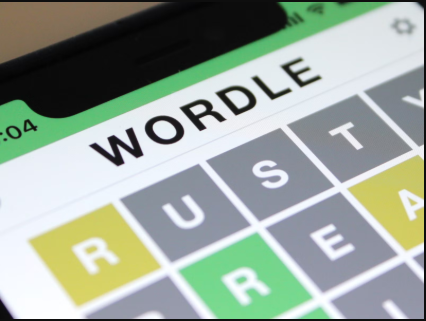
Five-letter words have become especially popular among students, writers, crossword enthusiasts, and people who enjoy daily word puzzles. Their manageable length makes them useful for vocabulary practice while also providing enough possibilities to create challenging puzzles. The phrase wordhippo 5 letter word is commonly associated with searches for five-letter vocabulary, word meanings, spelling ideas, synonyms, and words that can help solve different types of word games.
A word-search resource can be useful when someone knows only part of a word and wants to discover possible matches. It can also help learners understand unfamiliar vocabulary and compare words with similar meanings. However, finding a word is only one part of language learning. Understanding its meaning, spelling, pronunciation, grammatical role, and context can make the learning process much more valuable. Five-letter words therefore offer a practical way to combine vocabulary development with enjoyable word-based activities.
What Is a Five-Letter Word?
A five-letter word is simply a word containing exactly five alphabetic letters. Examples include words such as “apple,” “house,” “green,” “plant,” and “smile.” Five-letter words can belong to many different grammatical categories, including nouns, verbs, adjectives, and adverbs.
Their length makes them particularly useful for word puzzles. A player may know that an answer contains five letters but may not know which letters appear in which positions. By examining possible combinations, the player can gradually narrow down the possibilities.
Five-letter vocabulary also occurs frequently in everyday English. Common words can therefore be useful for beginners, while less familiar words can provide opportunities for advanced vocabulary development.
What Does WordHippo 5 Letter Word Mean?
The phrase wordhippo 5 letter word can describe a search for five-letter words using WordHippo’s broader word-related resources. Someone may use this type of search when looking for possible words that match a particular length or when exploring vocabulary for a puzzle.
The usefulness of such a search depends on what the user already knows. If several letters are known, possible words can be narrowed using those letters and their positions. If no letters are known, the search can instead be used to explore a broad collection of five-letter vocabulary.
For language learners, the process can go beyond simply finding an answer. Exploring definitions and related words can help users understand how vocabulary works in different contexts.
Why Five-Letter Words Are Popular
Five-letter words have a special place in modern word games because they create a balance between simplicity and difficulty. A word that is too short may offer very few possibilities, while a longer word can become difficult to solve manually. Five letters provide enough combinations to make puzzles interesting without becoming unnecessarily complicated.
They are also useful for educational activities. Teachers can use five-letter words for spelling exercises, vocabulary challenges, reading activities, and classroom games. Parents can use them for age-appropriate language practice at home.
For adults, five-letter word activities can provide an entertaining way to practice spelling and recall familiar vocabulary while discovering less common words.
Using Five-Letter Words for Word Games
Word games often require players to identify a hidden word using clues, letter positions, or previously attempted guesses. Five-letter words work particularly well because players can analyze each position separately.
For example, if the first letter is known, players can search for words beginning with that letter. If the final letter is known, possible words can be filtered according to their ending. When several letters are known, the number of possible answers becomes considerably smaller.
A word-search resource can therefore be useful when a player has partial information but needs help identifying possible combinations.
Finding Words With Known Letters
One of the most useful approaches to five-letter word puzzles is identifying where known letters appear. Suppose a player knows that a word contains the letters “A” and “R” but does not know their positions. The player can think of possible arrangements and compare them with the puzzle’s clues.
If the puzzle identifies one letter as being in the correct position, the search becomes easier. Eliminating letters that have already been proven incorrect can further reduce the number of possibilities.
This process teaches an important problem-solving skill: instead of guessing randomly, players can use available information to systematically reduce the search area.
Five-Letter Words and Vocabulary Building

Vocabulary development is another important reason to explore five-letter words. Learning a new word becomes more effective when the learner understands its meaning and sees how it is used in a sentence.
For example, encountering an unfamiliar five-letter word during a puzzle can encourage a learner to investigate its definition. After understanding the word, the learner can create a sentence using it. Repeating this process can gradually expand vocabulary.
The goal should not be to memorize large lists without context. Words are easier to remember when they are connected to meanings, examples, conversations, reading material, or personal experiences.
Improving Spelling With Five-Letter Words
Five-letter words are also useful for spelling practice. Their moderate length makes them manageable for learners while still providing opportunities to practice difficult letter combinations.
Students can write a word several times, spell it aloud, break it into sounds, and then use it in a sentence. Teachers can also create short spelling tests using groups of five-letter words.
For independent learners, word puzzles can make spelling practice more enjoyable. Instead of repeatedly copying a list, learners can identify words through clues and then verify their spelling.
Understanding Word Patterns
Patterns are extremely important when solving word puzzles. A player may know that a five-letter word follows a pattern such as “S _ A _ E.” Once the known letters and positions are established, possible answers become easier to identify.
Recognizing common English patterns can improve solving ability. Certain combinations of vowels and consonants appear frequently, while others are relatively unusual. Learning these patterns can help players make more informed guesses.
Pattern recognition is not limited to games. It can also support spelling development because learners become more familiar with common structures within English words.
Five-Letter Words With Repeated Letters
Not every five-letter word contains five different letters. Some words have repeated letters, such as words containing two instances of the same vowel or consonant. This can create an additional challenge in word puzzles.
Players sometimes assume that every letter should be unique, which can cause them to overlook the correct answer. When a puzzle’s clues suggest that a letter may appear more than once, players should consider repeated-letter possibilities.
Recognizing repetition is therefore an important part of advanced word-solving. It also encourages players to think beyond the most obvious letter arrangements.
Using Wordhippo 5 Letter Word Searches for Learning
A wordhippo 5 letter word search can be useful for more than puzzle solving. Students can use five-letter vocabulary to explore synonyms, meanings, spelling, and related expressions. Writers can also use word resources when looking for alternative vocabulary.
For example, if a writer knows a basic word but wants a more precise alternative, exploring related vocabulary can help identify possibilities. The writer should then check the meaning and context before using the new word.
This approach turns a simple word search into a broader language-learning activity.
Five-Letter Words for Students
Students can benefit from five-letter word exercises at different stages of learning. Younger learners can practice spelling and basic vocabulary, while older students can explore synonyms, antonyms, word origins, and more complex meanings.
Teachers can create activities where students identify words from clues, arrange letters, complete missing letters, or categorize words according to their grammatical roles.
These exercises can support both independent learning and classroom interaction. They can also make vocabulary practice feel more like a game than a traditional memorization exercise.
Five-Letter Words for Crossword and Anagram Puzzles
Crossword puzzles frequently require players to identify words from definitions and a specific number of spaces. When five spaces are available, the answer must contain five letters. Existing crossing letters can then provide additional clues.
Anagram puzzles work differently because the player receives a group of letters and must rearrange them to form a valid word. A five-letter anagram may have one or several possible arrangements depending on the letters involved.
Both puzzle formats encourage logical thinking, spelling awareness, and vocabulary recall.
Common Mistakes When Searching for Words
One common mistake is ignoring the exact word length. If a puzzle requires five letters, a four-letter or six-letter answer will not work even if its meaning seems appropriate.
Another mistake is focusing only on familiar words. Some puzzles use less common vocabulary, so players may need to consider words they do not regularly encounter.
A third mistake is failing to verify meaning. A word may technically fit a letter pattern but still be inappropriate for the clue. Understanding the definition is therefore just as important as matching the letters.
How to Improve Word Puzzle Skills
Improving word-game skills requires regular practice and a willingness to learn from unsuccessful attempts. Players can begin by studying common prefixes, suffixes, vowel combinations, and frequently occurring letter patterns.
Reading regularly can also help because exposure to different types of writing naturally introduces new vocabulary. Keeping a personal list of unfamiliar words and reviewing their meanings can strengthen recall.
Instead of treating a difficult puzzle as a failure, players can use it as an opportunity to learn new words. Over time, this approach can improve both vocabulary and problem-solving ability.
Word Games and Language Learning
Word games can make language learning more interactive. They encourage learners to recall spelling, recognize patterns, understand meanings, and make connections between words.
Five-letter puzzles are particularly accessible because they do not require extremely long vocabulary lists. A learner can focus on a small group of words at a time and gradually expand their knowledge.
For people learning English as an additional language, word games can also provide repeated exposure to spelling patterns and everyday vocabulary. However, learners should combine games with reading, listening, writing, and conversation for broader language development.
The Value of Context When Learning Words
Finding a word is useful, but understanding its context is even more important. A dictionary-style definition may provide the basic meaning, but example sentences show how the word behaves in real communication.
For instance, two words may have similar meanings but differ in formality, emotional tone, or grammatical usage. Learning these distinctions helps writers and speakers choose vocabulary more accurately.
When using a wordhippo 5 letter word search for learning, users can therefore go beyond identifying possible words and investigate their meanings, synonyms, antonyms, and practical usage.
Why Five-Letter Words Remain Useful
Five-letter words remain popular because they combine language, logic, memory, and entertainment. They are short enough to be manageable but long enough to create thousands of possible combinations.
Their usefulness extends beyond games. Students can use them for vocabulary and spelling, writers can explore them for language ideas, and casual players can use them to exercise their word-solving skills.
The continued popularity of word puzzles demonstrates that simple language activities can remain engaging even in a highly digital environment.
Conclusion
The phrase wordhippo 5 letter word is closely connected with the search for five-letter vocabulary, puzzle-solving possibilities, spelling practice, and language development. Five-letter words are useful because they provide an accessible format for exploring English while offering enough complexity to make word games challenging.
Whether someone is solving a daily puzzle, improving spelling, learning English, or expanding vocabulary, five-letter words can provide valuable practice. The most effective approach is to combine word searches with an understanding of meanings, patterns, context, and correct usage.
By exploring words thoughtfully rather than simply searching for answers, users can turn a simple wordhippo 5 letter word activity into an opportunity for stronger vocabulary, better spelling, and improved word-solving skills.

