
Introduction
Finding the right word can make a significant difference when writing, studying, solving puzzles, or learning a new language. Sometimes people know the meaning they want to express but cannot immediately find the appropriate word. In other situations, they may need a synonym, antonym, definition, rhyme, translation, or a collection of words matching specific letters. WordHippo is a popular online word resource designed around these types of language-related searches.
The usefulness of a word tool comes from its ability to make language exploration faster and more convenient. Instead of searching through multiple dictionaries or manually creating lists, users can explore different word relationships in one place. Students can use word resources while learning vocabulary, writers can search for alternatives to repeated terms, and puzzle enthusiasts can explore words based on spelling patterns. Understanding the different functions associated with WordHippo can help users choose the right tool for a particular language task and improve their overall vocabulary skills.
What Is WordHippo?
WordHippo is an online language and vocabulary resource that provides several tools for exploring words. Rather than functioning only as a traditional dictionary, it offers different ways to search and examine language. Depending on the type of query, users can look for synonyms, antonyms, definitions, related words, rhyming words, translations, and words with particular characteristics.
This broad approach makes the platform useful for many different audiences. A student may use it while completing a writing assignment, while a writer might use it to find a more precise alternative to a commonly repeated word. People working on poetry or creative writing can explore rhyming possibilities, while language learners can investigate meanings and translations.
The concept is relatively simple: users provide a word or language-related requirement, and the tool helps present relevant vocabulary information. This makes vocabulary exploration more interactive than simply reading a conventional dictionary entry.
Why Word Tools Are Useful
Language contains thousands of words, and many have similar or related meanings. However, similar words are not always interchangeable. A word may have a slightly different tone, level of formality, or context. Vocabulary tools can help users discover these alternatives and then decide which one fits their writing.
For students, word resources can make vocabulary practice more engaging. Instead of memorizing isolated word lists, learners can explore relationships between words. For example, finding synonyms and antonyms can help students understand how meanings are connected.
Writers can also benefit because repeated words may make a paragraph feel less varied. Exploring alternatives can introduce different expressions while preserving the original idea. However, users should always consider context rather than replacing a word simply because a tool lists it as a synonym.
Finding Synonyms
One of the most common reasons people use WordHippo is to discover synonyms. A synonym is a word with a similar or related meaning to another word. Synonyms can be useful when writing essays, articles, stories, reports, emails, and other forms of communication.
For example, a writer using the word “important” repeatedly might explore alternatives such as significant, essential, valuable, meaningful, or considerable. However, these words are not always identical in tone or meaning. “Essential” can imply necessity, while “meaningful” may refer more strongly to personal significance.
This illustrates why synonym tools should be used as a starting point rather than an automatic replacement system. After finding alternatives, users should read the surrounding sentence and select the word that communicates the intended meaning accurately.
Exploring Antonyms
Antonyms provide another useful way to study vocabulary. An antonym is a word that expresses an opposite or contrasting meaning. Learning antonyms can help students develop a deeper understanding of vocabulary because comparing opposite concepts often makes meanings easier to remember.
For example, users might explore the opposite of words such as “strong,” “early,” “simple,” or “ancient.” This can be particularly helpful for students building vocabulary or preparing for language examinations.
Writers can also use antonyms when creating comparisons or explaining differences. Understanding both a word and its opposite gives users greater flexibility when expressing ideas. Exploring antonyms alongside synonyms can therefore turn a simple vocabulary search into a broader language-learning exercise.
Understanding Word Meanings
Definitions are essential because knowing a word is not simply about recognizing its spelling. A word can have multiple meanings depending on context. For example, a term may have a literal meaning in one sentence and a figurative meaning in another.
A good vocabulary resource can help users investigate these meanings and understand how words function in different contexts. Students can use definitions to strengthen comprehension, while writers can confirm whether a particular word accurately expresses an intended idea.
When researching a definition, it is helpful to examine example sentences and related words when available. Context often determines how a word should be understood. A dictionary-style meaning provides a foundation, but real usage demonstrates how the word behaves in actual communication.
WordHippo for Students
Students can use WordHippo as a supplementary vocabulary resource for many academic activities. Essay writing, creative assignments, vocabulary exercises, reading comprehension, and language practice can all involve situations where students need to understand or find alternative words.
For example, a student writing an essay may discover that the same word appears repeatedly. A synonym search can provide possible alternatives, which the student can then evaluate based on context. Students can also use word searches to improve their vocabulary before writing assignments.
However, students should avoid using vocabulary tools simply to make their writing sound complicated. Clear communication is usually more valuable than unnecessarily advanced vocabulary. The best word is the one that communicates the intended meaning naturally and accurately.
WordHippo for Writers
Writers frequently need variety, precision, and tone. A novelist may search for descriptive alternatives, a blogger may look for clearer wording, and a professional writer may need a more formal expression.
WordHippo can support this process by helping writers explore vocabulary options quickly. Instead of repeatedly using words such as “good,” “interesting,” or “important,” writers can investigate alternatives that may communicate more specific meanings.
Nevertheless, good writing involves more than vocabulary variety. Sentence structure, organization, audience, tone, clarity, and factual accuracy remain important. A synonym tool is most useful when it supports these elements rather than replacing the writer’s judgment.
Rhyming Words and Creative Writing
Poets, songwriters, and creative writers often need words that rhyme with a particular term. Finding suitable rhymes manually can take considerable time, especially when a writer wants less common or more interesting choices.
Rhyming tools can help users explore possible combinations and discover words they may not have considered. This can be useful when writing poems, children’s stories, lyrics, slogans, or other creative material.
However, perfect rhyme is not the only technique available to creative writers. Near rhymes, rhythm, repetition, imagery, and sound patterns can all contribute to a successful piece of writing. A vocabulary tool can provide ideas, but creativity still comes from how the writer combines those words.
Translation and Language Learning
People learning another language often need more than a direct translation. They may want to understand related meanings, alternative words, pronunciation, or contextual differences. Online language resources can support this process by making vocabulary exploration easier.
Translation tools can be particularly useful when learners encounter unfamiliar words while reading. Instead of simply memorizing a translated equivalent, learners can explore related terms and understand how the word fits into a broader vocabulary system.
However, automated translations may not always capture cultural context, idioms, or subtle differences in meaning. Language learners should therefore use translation resources as learning aids and pay attention to how native speakers use words in real situations.
Word Searches for Games and Puzzles

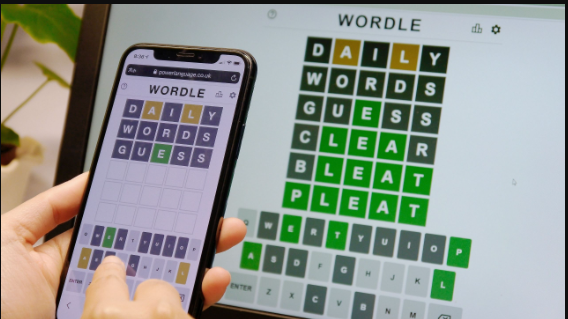
Word tools are also popular among people who enjoy puzzles and word games. Crossword puzzles, anagrams, spelling games, word searches, and other challenges often require players to think about word length, letters, patterns, or meanings.
A vocabulary resource can help users explore possible words when they become stuck. For example, someone might need a five-letter word beginning with a particular letter or containing certain letters. Searching by word characteristics can provide ideas that support puzzle-solving.
These tools can also become learning resources because solving word puzzles requires users to recognize spelling patterns and expand their vocabulary. The entertainment aspect can make language learning feel less like traditional study.
Improving Vocabulary With Word Tools
Vocabulary improves most effectively when new words are encountered repeatedly and used in meaningful contexts. Simply looking up a word once does not guarantee that it will become part of someone’s active vocabulary.
Users can make vocabulary searches more valuable by keeping a personal list of unfamiliar words, writing example sentences, and revisiting new terms later. Reading books, articles, essays, and other material can provide additional opportunities to encounter the same words naturally.
Another useful method is grouping related words. Instead of learning one word independently, learners can explore its synonyms, antonyms, related terms, and different meanings. This creates a stronger network of associations and can make recall easier.
Common Mistakes When Using Word Tools
One common mistake is assuming that every synonym can replace the original word. Words with similar dictionary definitions can differ significantly in tone, intensity, or context. Replacing a word without checking the sentence can therefore change the intended meaning.
Another mistake is relying too heavily on complicated vocabulary. Good writing does not require the most unusual word available. Readers generally benefit from clear, precise language that matches the subject and audience.
Users should also check spelling and grammar after changing vocabulary. A word may technically fit the meaning but create an awkward sentence. The final decision should always be based on the complete sentence and overall communication goal.
WordHippo and Modern Language Learning
Modern language learning increasingly combines traditional reading and writing with digital tools. Online vocabulary resources allow learners to investigate words quickly and independently. This can make studying more flexible because users can explore vocabulary whenever they encounter a language problem.
WordHippo fits into this broader digital learning environment by bringing different word-related searches together. Users can move from definitions to synonyms, antonyms, rhymes, translations, or related vocabulary depending on their needs.
Digital tools should complement rather than replace traditional learning. Reading extensively, practicing writing, speaking with others, and receiving feedback remain important parts of language development. Vocabulary tools are most effective when they become part of a larger learning routine.
Tips for Getting Better Results
Users can make vocabulary searches more effective by starting with a clear objective. Instead of simply searching for “words,” they should identify whether they need a synonym, antonym, definition, rhyme, translation, or word matching a particular pattern.
It is also useful to compare several possible results rather than selecting the first word displayed. Checking meaning and context can prevent inappropriate substitutions. If a word has multiple meanings, users should identify which meaning applies to their sentence.
Finally, new vocabulary should be practiced. Writing a sentence, using a new word in conversation, or encountering it during reading can help transform passive vocabulary knowledge into active vocabulary.
Conclusion
WordHippo provides a convenient way to explore different aspects of language, including synonyms, antonyms, meanings, rhymes, translations, and word patterns. Its broad range of vocabulary functions can make it useful for students, writers, language learners, puzzle enthusiasts, and anyone interested in improving their command of words.
The greatest benefit of a digital word tool comes from using it thoughtfully. Rather than automatically replacing words or copying unfamiliar vocabulary, users can explore possibilities, check context, and select expressions that communicate their ideas clearly. When combined with reading, writing, practice, and curiosity, WordHippo can become a useful supplementary resource for discovering new vocabulary and developing stronger language skills.

