
Introduction
Five-letter words are extremely useful for word games, crossword puzzles, spelling activities, vocabulary exercises, and everyday language learning. Many popular word puzzles require players to identify a word using a limited number of attempts and clues. When players know the length of the answer but cannot immediately remember a suitable word, a word finder can make the search much easier. This is why the phrase wordhippo 5 letter word is commonly associated with people looking for five-letter vocabulary, definitions, synonyms, and word-game assistance.
A five-letter word may be simple and familiar or relatively uncommon. Words such as “apple,” “house,” “green,” “water,” and “light” are easy to recognize, while other five-letter words may appear mainly in specialized writing or word games. Understanding how five-letter words are structured can improve spelling, vocabulary, and puzzle-solving skills. Rather than simply searching for an answer, learners can use word lists to discover meanings, recognize letter patterns, and develop a stronger understanding of English vocabulary.
What Is a Five-Letter Word?
A five-letter word is any English word containing exactly five alphabetic characters. The word can contain repeated letters, vowels, consonants, or different combinations of these elements. Examples include “table,” “plant,” “river,” “smile,” and “world.”
Five-letter words are especially important in word puzzles because the length provides enough space for interesting combinations while remaining manageable for players. A puzzle may provide clues about one or more letters, their positions, or their presence within the answer.
When searching for a wordhippo 5 letter word, users may be looking for a particular pattern rather than just any five-letter word. For example, they may need a word beginning with S, ending in E, or containing A and R in specific positions. Understanding these patterns makes a word search much more efficient.
Why Five-Letter Words Are Popular

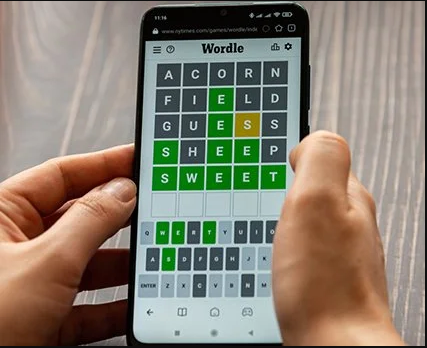
Five-letter words have become particularly popular because of modern word games that use a five-letter answer format. Players must use logic, spelling knowledge, and vocabulary to identify the hidden word within a limited number of guesses.
These puzzles encourage players to think about letter frequency and word structure. A guess containing several common vowels and consonants can reveal useful information even when it is not the correct answer.
Five-letter vocabulary is also useful outside games. Students can use these words for spelling exercises, teachers can incorporate them into classroom activities, and language learners can use them to expand their everyday vocabulary. A focused collection of five-letter words provides a simple way to practice English without becoming overwhelmed by a very large dictionary.
Common Five-Letter Words
There are thousands of five-letter words in English. Some familiar examples include:
- Apple
- Bread
- Chair
- Earth
- House
- Light
- Money
- Plant
- River
- Smile
- Table
- Water
- World
- Young
Each of these words has a different meaning and can be used in different contexts. Some are nouns, while others may function as verbs or adjectives.
When using a wordhippo 5 letter word search, it can be useful to focus on words that fit the specific puzzle clues rather than reviewing a random list. Combining word length with known letters significantly reduces the number of possible answers.
How Word Finders Help
Word-finding tools can help users discover possible words when they have partial information. Instead of searching through a traditional dictionary manually, users can enter the letters they know and identify words that match a particular pattern.
For example, if a player knows that the first letter is B and the final letter is E, the search can focus on five-letter words matching that structure. Additional information can narrow the results further.
These tools are particularly useful when vocabulary is unfamiliar. A player may recognize a word after seeing it in a list even if they could not remember it independently. Looking up its definition afterward can turn a puzzle-solving experience into a vocabulary-learning opportunity.
Understanding Word Patterns
Recognizing common word patterns is one of the most effective ways to improve at word games. English contains many recurring combinations of letters. Examples include “-ing,” “-ed,” “-er,” “-ly,” “th,” “ch,” “sh,” and “st.”
When players become familiar with these patterns, they can generate possible words more quickly. Vowel placement is also important. Most English words contain at least one vowel, although some words can behave differently depending on how Y is classified.
A player searching for a wordhippo 5 letter word can use these patterns to narrow down possibilities. If several letters are already known, thinking about common combinations may reveal the answer without requiring an extremely long search.
Five-Letter Words for Word Games
Word games often reward players who can quickly recognize possible combinations. Five-letter puzzles may provide feedback indicating whether letters are correct, incorrectly positioned, or absent.
The best strategy is usually to treat every guess as a source of information. A word containing several different common letters can help identify which letters belong in the answer. Once some letters are confirmed, subsequent guesses can focus on arranging them correctly.
Players should also remember that duplicate letters are possible. A word may contain the same letter twice, which can make a puzzle more challenging. Learning to recognize repeated-letter possibilities is therefore an important part of five-letter word solving.
The Importance of Vocabulary
Strong vocabulary can make word puzzles significantly easier. Players who know a wide range of five-letter words are more likely to recognize possible answers from partial clues.
Vocabulary development does not require memorizing hundreds of random words at once. A better approach is to learn words gradually and understand their meanings. Reading books, articles, news, stories, and other English content naturally exposes learners to new vocabulary.
After discovering an unfamiliar five-letter word, try using it in a sentence. This helps connect the spelling with its meaning and makes the word easier to remember later.
Five-Letter Words and Spelling Practice
Five-letter words provide an excellent foundation for spelling practice. Their moderate length makes them challenging enough to require attention while remaining relatively easy to memorize.
Students can practice spelling by listening to a word, writing it down, and then checking the result. Teachers can also create exercises in which students fill in missing letters or rearrange scrambled letters to form a correct word.
For English learners, this approach can help reinforce vowel patterns, consonant combinations, and pronunciation. Regular practice can gradually improve both written accuracy and word recognition.
How to Choose a Good Starting Word
In word puzzles, the opening guess can provide valuable information. A useful starting word often contains several different letters rather than repeating the same letter multiple times. Including common vowels can also help identify the general structure of the hidden word.
There is no single starting word that is guaranteed to work for every puzzle. The best choice depends on the player’s strategy and the particular rules of the game.
After making the first guess, study the feedback carefully. Avoid wasting subsequent attempts by repeating letters that have already been confirmed as absent. Instead, use each guess to test new possibilities.
Dealing With Repeated Letters
Repeated letters are one of the most challenging features of five-letter word puzzles. A player might correctly identify a letter but fail to realize that it appears more than once.
Consider a hypothetical answer containing two E’s. If a player’s first guess contains one E, the feedback may not immediately make the second occurrence obvious. This is why players should remain open to duplicate letters when other possibilities stop making sense.
A word finder can be useful for identifying words containing repeated letters. However, understanding the pattern yourself is an important part of developing stronger puzzle-solving skills.
Five-Letter Words and Their Meanings
Finding a word is only one part of vocabulary learning. Understanding what the word means makes the information much more useful.
For example, “adapt” means to adjust to a new condition, “alert” can describe someone who is attentive, and “arise” can mean to happen or emerge. Words with multiple meanings can be especially interesting because context determines how they are used.
When using a wordhippo 5 letter word search, consider checking the definition of unfamiliar results. This can transform a simple search into an opportunity to expand your vocabulary.
Using Context to Learn New Words
Context provides valuable clues about word meaning. A word appearing in a sentence may be easier to understand than the same word presented alone.
For example, consider the word “plant.” It can refer to a living organism that grows in soil, but it can also refer to a factory or the act of placing something somewhere. Understanding these different uses helps learners develop more flexible language skills.
Reading words in context also improves recall. Instead of memorizing isolated definitions, learners associate words with situations, ideas, and examples.
Common Mistakes in Five-Letter Searches
One common mistake is failing to count letters correctly. Some words may look like five-letter words at first glance but contain four or six letters.
Another mistake is ignoring the exact position of known letters. If a puzzle confirms that a letter belongs in a particular position, that information should be preserved in later guesses.
Players may also focus too heavily on unusual words. In many situations, familiar vocabulary should be considered before obscure possibilities. However, the accepted word list of a particular game can vary, so not every dictionary word will necessarily be accepted.
Building a Personal Five-Letter Word List
Creating a personal word list can improve both vocabulary and puzzle-solving ability. Start with common five-letter words and gradually add unfamiliar words discovered through reading or games.
The list can be organized alphabetically or by patterns. For example, one section could contain words beginning with A, another could contain words ending in E, and another could contain words with repeated letters.
Reviewing the list periodically can strengthen memory. Over time, players may find that they recognize word patterns more quickly and need less assistance when solving puzzles.
Five-Letter Words for Students
Five-letter vocabulary can be useful for students at different stages of language learning. Younger students can practice spelling and definitions, while older students can explore synonyms, antonyms, word origins, and grammatical usage.
Teachers can also turn five-letter words into classroom games. Students might be asked to create sentences, identify definitions, unscramble letters, or find words matching specific patterns.
This type of activity combines language learning with problem-solving. It can also make vocabulary practice more engaging than memorizing long lists without context.
Improving Your Word Puzzle Strategy
A strong puzzle strategy combines vocabulary, logical elimination, and pattern recognition. Begin with the information already provided and avoid making guesses that do not add anything new.
After each attempt, separate letters into three groups: correctly positioned letters, letters that exist but are misplaced, and letters that appear to be absent. This makes it easier to construct the next possible word.
As your vocabulary improves, you will naturally recognize more possibilities. A wordhippo 5 letter word search can supplement this knowledge when you encounter a difficult combination or unfamiliar vocabulary.
Benefits of Learning Five-Letter Words
Learning five-letter words can provide several benefits. It can improve spelling, increase vocabulary, strengthen pattern recognition, and make word games easier to understand.
Five-letter words also introduce learners to different parts of speech and meanings. By studying a group of words together, learners can notice how prefixes, suffixes, vowels, and consonant combinations influence pronunciation and spelling.
The activity can be particularly valuable for people who enjoy puzzles because it combines entertainment with language development. Each new word discovered can become part of a growing personal vocabulary.
How to Use Word Tools Responsibly
Word-finding tools can be helpful, but relying on them for every puzzle can reduce the opportunity to practice independent problem-solving. A balanced approach is more beneficial.
Try solving the puzzle independently first. If you become stuck, use a word finder to generate possibilities or confirm a suspected answer. Then take a moment to learn the meaning and spelling of the word.
This approach turns assistance into a learning experience rather than simply providing an answer. Over time, your independent vocabulary and pattern-recognition skills can become stronger.
Conclusion
A wordhippo 5 letter word search can be useful for word games, vocabulary development, spelling practice, and solving puzzles with specific letter patterns. Five-letter words are especially popular because they provide a manageable challenge while offering thousands of possible combinations.
The most effective approach is to combine word-finding tools with independent reasoning. Pay attention to letter positions, repeated letters, vowels, consonants, and the clues provided by each guess. Learning the meanings of unfamiliar words can further improve the value of the experience.
Whether you are a student improving English vocabulary or a puzzle enthusiast looking for possible answers, five-letter words offer an accessible way to practice language skills. With regular reading, thoughtful practice, and careful use of word tools, recognizing and solving five-letter words can become faster and more enjoyable.

