
Introduction
Finding the right word can make a major difference when writing, studying, communicating, or solving word-based puzzles. People often understand what they want to say but struggle to find an appropriate word that matches the meaning, tone, or context. This is where online language resources can be helpful. WordHippo is a popular word-focused platform designed to help users explore different aspects of vocabulary and language.
The platform brings together several types of word information in one place, allowing users to search for synonyms, antonyms, definitions, rhyming words, translations, related words, and different forms of words. Students can use it while completing language assignments, while writers can explore alternative vocabulary during the editing process. Word-game players may also find its word-searching capabilities useful. Understanding how WordHippo works can help users make better use of its language-related features without treating it as a replacement for learning vocabulary naturally.
What Is WordHippo?
WordHippo is an online language and vocabulary resource that helps users search for information about individual words. Instead of focusing on only dictionary definitions, the platform provides multiple ways to explore vocabulary. A user can enter a word and investigate related terms, alternatives, meanings, opposites, rhymes, and other language connections.
This broad approach makes the platform useful for different audiences. A student may need synonyms for an assignment, a writer may want to avoid repeating the same word, and someone working on a word puzzle may need words with particular characteristics. The usefulness of the platform comes from bringing several language functions together rather than requiring users to search different resources for every vocabulary question.
Main Features of WordHippo
One of the main reasons users explore WordHippo is the variety of word-related tools available through the platform. Depending on what a person needs, they can investigate synonyms, antonyms, definitions, rhymes, related words, translations, and other word forms.
These features can support both practical writing and vocabulary development. For example, someone writing an article may discover alternative words that make a sentence less repetitive. A student learning English may compare related words to understand subtle differences in meaning. Someone writing poetry may use rhyming searches to find words that fit a particular sound pattern.
The platform’s different search options make it possible to approach vocabulary from several directions. Instead of simply asking what a word means, users can explore how that word relates to other words.
Using WordHippo for Synonyms
Synonyms are words that have similar or related meanings, although they are not always interchangeable in every situation. Writers frequently use synonyms to make their writing more varied and avoid repeating the same expression too many times.
WordHippo can help users discover alternative vocabulary when they know the basic idea they want to communicate but need a different word. For instance, a writer using a common adjective might search for alternatives that provide a more precise or formal tone.
However, users should examine the context before replacing a word with a synonym. Two words can be similar in meaning while having different levels of formality, emotional tone, or usage. A thesaurus-style result can provide possibilities, but the writer still needs to determine which word fits the sentence naturally.
Finding Antonyms and Opposite Words
Antonyms are useful when users need to express contrast or understand the opposite meaning of a particular term. Students often encounter antonyms while studying vocabulary, while writers may use them to create comparisons and clearer explanations.
A word-search platform can make this process faster by presenting possible opposites connected to a searched term. This can help learners expand their vocabulary in pairs or groups rather than studying individual words separately.
Understanding antonyms also improves comprehension. When learners know both a word and its opposite, they can often understand how the concept fits into a broader range of meanings. This makes antonym searches useful for vocabulary practice as well as writing.
Exploring Word Definitions
Definitions provide the foundation for understanding vocabulary. While finding a synonym can help users rewrite a sentence, knowing the actual meaning of a word is essential before using it.
WordHippo can be useful when users want to explore the meaning of a word and then investigate related vocabulary. This approach can encourage deeper word learning because users are not limited to memorizing one definition.
When learning a new word, it is helpful to consider its meaning, grammatical role, pronunciation, common usage, and context. A definition alone may not explain every situation in which a word can be used. Reading example sentences and observing how the word appears in real communication can provide additional understanding.
WordHippo for Rhyming Words
Rhyming searches can be particularly useful for poets, songwriters, creative writers, and people working on word games. Finding words that share similar ending sounds can help writers develop poems, verses, slogans, or creative passages.
Users can enter a word and explore possible rhyming options. The results can provide ideas that might not immediately come to mind during the writing process.
Rhyming tools can also be useful for beginners who are learning how sound patterns work in poetry. However, a technically matching rhyme does not automatically make a strong line. Meaning, rhythm, tone, and context remain important when selecting a word.
Using WordHippo for Word Forms
Words can appear in different grammatical forms. Verbs may have different tenses, nouns can have singular and plural forms, and adjectives or adverbs may have related variations.
WordHippo can help users explore these relationships and identify different forms of a word. This can be useful for students learning grammar and writers checking whether they are using the correct form in a sentence.
Understanding word forms is especially important for people learning English as a second language. Recognizing how a root word changes according to grammatical requirements can make sentence construction easier and improve overall language accuracy.
Translation and Multilingual Vocabulary
Language learners often need to understand how words correspond between different languages. Translation tools can provide a starting point for this process by showing possible equivalents.
WordHippo includes language-related search functions that can assist users exploring translations and vocabulary across languages. This can be helpful for learners, travelers, students, and people communicating across language boundaries.
However, translation is not always a simple word-for-word process. A word can have multiple meanings depending on context, culture, or sentence structure. Users should therefore consider the complete sentence rather than automatically choosing the first translation they see.
WordHippo for Students
Students can use WordHippo for many vocabulary-related tasks. When writing essays or assignments, they may need alternative words to improve sentence variety. During vocabulary study, they can investigate meanings, synonyms, antonyms, and related terms.
The platform can also help students discover unfamiliar vocabulary. Searching a known word and examining its related terms creates opportunities to learn several new words at once.
However, students should use online word tools as learning aids rather than simply copying suggested vocabulary into assignments. Understanding the meaning and context of every word is essential. A more advanced word is not necessarily better if it does not fit the sentence or the student’s intended meaning.
WordHippo for Writers and Bloggers
Writers frequently face the problem of repetition. Using the same word too many times can make an article, blog post, story, or report feel monotonous. A vocabulary resource can provide alternative expressions that help improve variety.
For bloggers and content creators, WordHippo can be useful during drafting and editing. A writer may search for synonyms, related words, or alternative expressions and then select vocabulary appropriate for the target audience.
Good writing is not simply about using complicated words. Clarity should remain the priority. A simple and precise word is often more effective than an unusual word that readers may not understand. Word tools work best when they support clear communication rather than encouraging unnecessary complexity.
Word Games and Vocabulary Practice
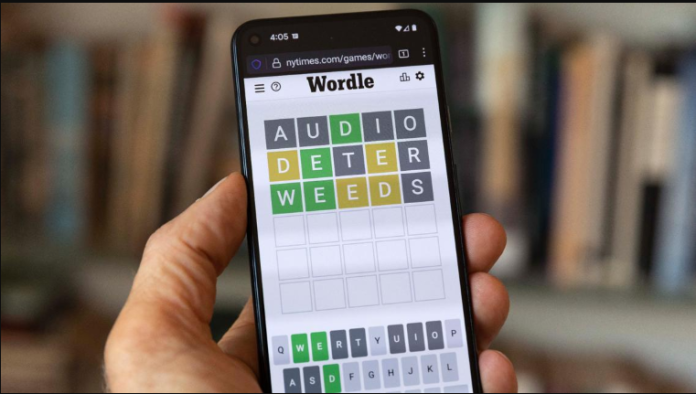
Word-based games require players to think creatively about vocabulary. Crossword puzzles, word searches, anagrams, spelling challenges, and other games can encourage people to explore unfamiliar words.
A platform such as WordHippo can serve as a useful vocabulary reference during practice. Users can investigate word lengths, related terms, meanings, rhymes, and other characteristics depending on the type of challenge they are solving.
Regular exposure to different words can gradually improve vocabulary. Instead of using a word tool only when stuck, learners can use it to explore groups of related words and understand how vocabulary connects.
Benefits of Using WordHippo
There are several reasons people may find WordHippo useful. First, it brings multiple vocabulary functions into a single online resource. Users do not necessarily have to switch between separate tools for every basic word-related question.
Second, it can save time during writing and study. A person looking for synonyms, antonyms, or rhymes can quickly explore possibilities instead of generating every option independently.
Third, the platform can encourage vocabulary exploration. Searching one word may lead users to related words that they had never encountered before. This makes the experience useful not only for solving immediate language problems but also for developing broader vocabulary knowledge.
Tips for Getting Better Results
Users can get more value from WordHippo by searching with a clear purpose. Before entering a word, think about whether you need a synonym, antonym, definition, rhyme, translation, or another type of information.
It is also useful to compare several results instead of selecting the first alternative automatically. Consider the meaning, tone, grammar, and context of each word. A synonym that looks correct in isolation may sound unnatural when placed into a particular sentence.
Another effective habit is to record unfamiliar words and study them later. Writing down the definition, related terms, and an example sentence can transform a quick search into a genuine vocabulary-learning exercise.
Limitations to Consider
Online vocabulary tools are helpful, but they are not perfect. Language is complex, and words can have subtle differences that automated search results may not fully explain.
A synonym may technically have a similar meaning while being inappropriate in a particular context. Translation results may also vary according to sentence structure and cultural usage.
For important academic, professional, or formal writing, users should verify unfamiliar vocabulary through additional trusted language references. The goal should be accurate communication rather than simply replacing common words with more unusual alternatives.
Building Better Vocabulary With Word Tools
Vocabulary improvement requires more than searching for words. Users can combine tools such as WordHippo with reading, writing, listening, speaking, and regular practice.
When encountering a new word, try to understand its definition and then identify related words. Write an original sentence using it and notice how it appears in books, articles, conversations, or other real-world contexts.
Over time, this process can turn passive recognition into active vocabulary. The more frequently a learner encounters and uses a word correctly, the easier it becomes to remember and apply naturally.
Conclusion
WordHippo provides a convenient way to explore vocabulary through synonyms, antonyms, definitions, rhymes, word forms, translations, and related language features. Its broad selection of word-focused tools makes it useful for students, writers, bloggers, creative professionals, language learners, and word-game enthusiasts.
The platform is most effective when used as a support for understanding and learning rather than as a shortcut for replacing words without considering context. Users should always examine the meaning, grammar, tone, and suitability of a suggested word before using it.
Whether someone is trying to improve an essay, discover a better synonym, find a rhyme, understand an unfamiliar term, or expand their vocabulary, WordHippo can provide a useful starting point for exploring the possibilities of language. Combined with regular reading and writing practice, such tools can make vocabulary development more engaging and practical.

