
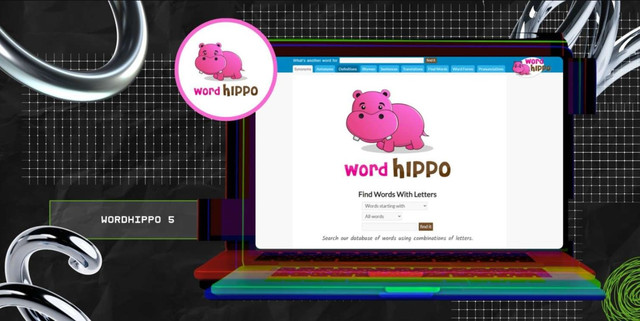
Creating high-quality content requires more than just correct grammar and basic vocabulary. Writers, bloggers, marketers, and students need powerful language tools that help them discover better words, improve readability, and express ideas more effectively. An advanced word finder guide can make the writing process smoother by helping users explore synonyms, understand word meanings, and select phrases that match the intended tone.
Modern content creation depends heavily on originality and engagement. Repeating the same words throughout an article can make writing feel dull and predictable. By using smart vocabulary strategies and exploring different word options, writers can create content that feels fresh and professional. checkwordhippo is often associated with improving word discovery because finding the right expression can transform an ordinary sentence into a more impactful one.
Whether someone is creating blog posts, academic papers, marketing materials, or social media content, having access to better vocabulary choices can improve communication. A strong word selection process helps writers connect with readers while maintaining clarity and creativity.
Why Advanced Word Finding Matters in Content Creation
Words are the foundation of every piece of content. The choice of a single word can influence how readers understand a message and how they emotionally respond to it. A simple replacement of a common word with a more suitable alternative can make writing more engaging and professional.
Many writers face challenges when they want to avoid repetition or explain complex ideas in simple language. An advanced word finder approach solves this problem by offering multiple possibilities and encouraging creative thinking. Instead of settling for the first word that comes to mind, writers can compare different options and select the one that fits perfectly.
For example, the word “important” can be replaced with terms such as essential, valuable, significant, or crucial depending on the context. Each alternative creates a slightly different impression. Choosing the right option helps maintain the writer’s voice while improving overall quality.
A strong vocabulary also supports search engine optimization. Content that uses natural variations of keywords and related terms can provide a better reading experience. Search engines increasingly focus on helpful and meaningful content rather than simple keyword repetition.
How Word Finder Tools Improve Writing Quality
Advanced vocabulary tools provide several benefits for writers who want to produce stronger content. They are not only useful for replacing words but also for understanding language patterns and improving communication skills.

A quality word discovery process helps writers:
- Find suitable synonyms for repeated words
- Improve sentence variety and flow
- Discover professional expressions
- Make content easier to understand
- Develop stronger vocabulary skills
- Create more engaging headlines and descriptions
When writers understand how different words affect meaning, they gain more control over their content. Instead of writing basic sentences, they can create messages that feel natural and persuasive.
Using checkwordhippo as part of a vocabulary improvement routine can support writers who want to explore different word choices. It encourages creativity by showing that there are often multiple ways to express the same idea.
Role of Vocabulary in SEO-Friendly Content
SEO writing is not only about placing keywords in specific locations. Successful content must provide value, answer user needs, and maintain a natural reading style. Strong vocabulary helps achieve these goals by making articles more informative and enjoyable.
Search engines analyze content quality through various signals, including relevance, usefulness, and user engagement. Articles with repetitive language may fail to keep readers interested. However, content with diverse vocabulary often feels more authoritative.
For example, a technology article repeatedly using the word “advanced” may become boring. Instead, writers can use alternatives such as innovative, modern, next-generation, or intelligent where appropriate. This creates a richer reading experience while maintaining the original meaning.
An advanced word finder strategy helps writers build content that sounds human rather than automated. It allows creators to balance SEO requirements with natural communication.
Advanced Features That Support Better Content Development
Modern word discovery methods involve more than simple synonym replacement. Writers need tools and techniques that help them understand context, tone, and audience expectations.
Some useful features include:
| Feature | Benefit for Writers |
|---|---|
| Synonym discovery | Helps replace repeated words with better alternatives |
| Meaning comparison | Allows selection of accurate words based on context |
| Vocabulary expansion | Improves writing skills over time |
| Phrase exploration | Helps create stronger expressions |
| Word usage understanding | Prevents incorrect word selection |
These features help writers move beyond basic vocabulary and develop a more professional writing style. A word that looks similar may not always carry the same meaning, so understanding context is essential.
Using Word Discovery for Different Types of Content
Different content formats require different writing approaches. A blog article may need an informative and conversational tone, while a business report may require a more formal style. Advanced vocabulary selection helps writers adapt their language according to their audience.
For bloggers, finding alternative expressions can make articles more interesting. Product descriptions benefit from persuasive words that highlight features and benefits. Academic writers need precise terminology to explain concepts clearly.
Content creators can also use vocabulary improvement techniques when creating:
- Website pages
- Email campaigns
- Social media posts
- Product descriptions
- Educational materials
- Marketing strategies
Each type of content has a specific purpose, and word selection plays a major role in achieving that purpose.
How Writers Can Build a Strong Vocabulary Strategy
Improving vocabulary is a continuous process. Even experienced writers regularly discover new words and expressions to improve their communication. A structured approach can make vocabulary development easier.
Writers can follow these practices:
Read Regularly:
Reading different types of content exposes writers to new expressions, sentence structures, and writing styles. Books, articles, and professional publications can provide valuable language inspiration.
Practice Word Replacement:
When reviewing old content, writers can identify repeated words and search for better alternatives. This practice improves editing skills and encourages creativity.
Understand Context:
A word should always match the meaning and tone of the sentence. Choosing complicated words simply to sound professional can reduce clarity.
Maintain Personal Word Lists:
Keeping a collection of useful words helps writers quickly find inspiration during future projects.
A consistent vocabulary strategy allows writers to create better content faster while developing long-term language skills.
Common Mistakes Writers Make While Choosing Words
Although advanced vocabulary improves writing, incorrect word choices can create problems. Some writers believe using complex words automatically makes content better, but clarity should always remain the priority.
Common mistakes include:
- Using unfamiliar words without considering the audience
- Replacing simple words with complicated alternatives unnecessarily
- Choosing synonyms that change the original meaning
- Adding too many decorative words
- Ignoring sentence flow and readability
The goal of better vocabulary is not to make writing complicated. The purpose is to make communication clearer, more effective, and more enjoyable.
A professional writer knows when to use simple language and when to introduce advanced expressions. Balance is the key to creating content that connects with readers.
Future of Smart Vocabulary Assistance in Writing
As digital content continues to grow, writers will need more efficient ways to create original and valuable information. Vocabulary assistance tools will continue evolving by offering better language suggestions, improved context understanding, and more personalized recommendations.

Future writing processes will likely combine human creativity with intelligent language support. Writers will remain responsible for ideas, storytelling, and accuracy, while vocabulary tools will help refine expression.
The growing importance of content quality means that language skills will remain valuable. Writers who continuously improve their vocabulary will have an advantage in creating content that attracts and retains audiences.
Using approaches like checkwordhippo for vocabulary exploration can support this improvement by helping writers discover better ways to communicate ideas.
Conclusion
Strong content begins with strong word choices. An advanced word finder approach helps writers improve clarity, creativity, and engagement by offering new ways to express ideas. Whether creating articles, marketing content, educational resources, or online publications, vocabulary plays a crucial role in communication success. Writers should focus on selecting words that match their message, audience, and purpose. The best content is not created by using the most complicated language but by choosing the most effective words. By developing better vocabulary habits and using tools such as checkwordhippo during the writing process, creators can produce more professional, original, and reader-friendly content. In a competitive digital environment, smarter word selection can become a powerful advantage for anyone who wants to create meaningful and impactful content.

