

A strong vocabulary is one of the most valuable skills anyone can develop. Whether you are a student, professional, writer, job seeker, or language learner, having the right words at the right time helps you communicate with confidence. Expanding your vocabulary improves your speaking, writing, reading, and comprehension abilities while making conversations more engaging and effective. Many people struggle to find the perfect word when writing emails, essays, blog posts, or presentations. This is where checkwordhippo becomes a valuable learning companion. It encourages users to discover better word choices, understand meanings, and explore language in a more organized way. Instead of memorizing random words, you can build practical vocabulary that fits real-life situations. Daily learning habits combined with consistent practice help you retain new words and use them naturally. By investing just a few minutes every day, you can significantly improve your communication skills and become a more confident speaker and writer in both personal and professional environments.
Why Vocabulary Matters in Everyday Communication
Vocabulary is the foundation of effective communication. Every conversation, presentation, report, or article depends on selecting words that clearly express your ideas. People with a wider vocabulary often communicate more accurately, avoid misunderstandings, and leave a stronger impression on others. Learning new words also improves reading comprehension because you spend less time guessing meanings and more time understanding the overall message.

Using checkwordhippo as part of your daily language-learning routine can help you recognize synonyms, antonyms, and contextual meanings that make your communication more precise. Better vocabulary also supports academic success by improving essay writing, examination performance, and research skills. In the workplace, professionals who communicate clearly often perform better in meetings, interviews, and business correspondence. Instead of repeating the same common words repeatedly, expanding your vocabulary allows your language to sound fresh, polished, and professional while remaining easy to understand.
How Daily Vocabulary Practice Improves Language Skills
Improving vocabulary does not require studying hundreds of words at once. Small daily improvements produce lasting results. Learning five to ten useful words every day is far more effective than trying to memorize long lists occasionally. Reading books, newspapers, magazines, and educational articles naturally exposes you to unfamiliar words that become easier to remember when seen in context.
When learners combine reading with checkwordhippo, they gain a deeper understanding of word meanings and usage. Instead of simply memorizing definitions, they explore similar words, opposite meanings, pronunciation, and examples. This active learning approach strengthens memory and encourages practical usage. Writing short paragraphs using newly learned words further reinforces learning. Speaking these words during conversations makes them become a natural part of your vocabulary. Consistent exposure, repetition, and application are the keys to developing long-term language skills that benefit both personal growth and career advancement.
Simple Habits to Expand Your Vocabulary Faster
Building vocabulary becomes easier when learning is integrated into everyday activities. Rather than treating vocabulary study as a difficult task, make it part of your daily routine.
Some practical habits include:
- Read articles from different subjects.
- Keep a vocabulary notebook.
- Learn five new words daily.
- Review previous words every week.
- Practice writing short paragraphs.
- Use newly learned words in conversations.
- Watch educational videos with subtitles.
- Play word games and language puzzles.
These habits become even more effective when combined with checkwordhippo, which helps learners discover alternative words and understand subtle differences in meaning. Over time, these small improvements accumulate into a rich vocabulary that supports stronger communication in every aspect of life.
Common Vocabulary Learning Methods
| Method | Benefits | Best For |
|---|---|---|
| Reading Books | Natural vocabulary growth | Beginners and advanced learners |
| Writing Journals | Reinforces memory | Students and professionals |
| Flashcards | Quick revision | Daily practice |
| Conversations | Practical application | Speaking confidence |
| Word Games | Fun learning | Children and adults |
| Vocabulary Lists | Structured learning | Exam preparation |
| Using checkwordhippo | Exploring synonyms and meanings | Everyday communication |
Using Better Word Choices for Professional Writing
Professional writing requires clarity, confidence, and precision. Whether you are preparing business reports, job applications, marketing content, academic papers, or emails, choosing appropriate vocabulary strengthens your message. Weak or repetitive wording can reduce the effectiveness of otherwise excellent content.
Many writers rely on checkwordhippo to explore stronger alternatives when common words feel repetitive. Selecting precise vocabulary allows readers to understand your ideas more quickly while making your writing appear more polished. However, it is important to avoid unnecessarily complex words simply to sound intelligent. Effective communication focuses on clarity rather than complexity. A balanced vocabulary helps readers stay engaged without becoming confused. Editing your work carefully and replacing repetitive expressions with more suitable alternatives significantly improves readability and professionalism.
Vocabulary Building Techniques That Actually Work
Many vocabulary strategies fail because learners memorize words without using them. Active learning methods produce better long-term results. Reading provides exposure, but writing and speaking help transform passive knowledge into active vocabulary.
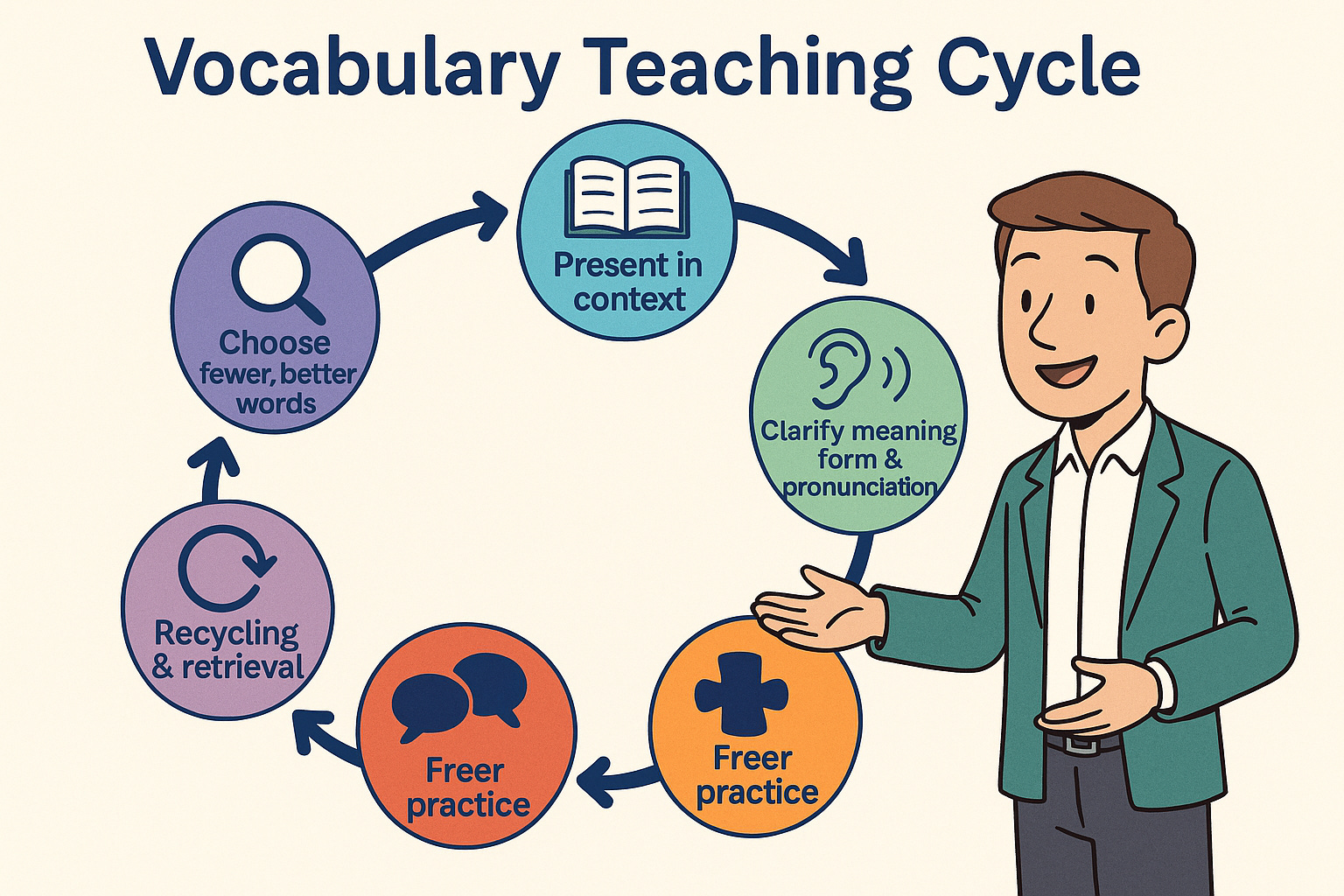
Effective techniques include creating personal word lists, reviewing them regularly, forming sentences with each word, grouping vocabulary by topic, and practicing conversations using newly learned expressions. Learners who revisit words multiple times remember them much longer than those who study once and forget.
Another useful strategy is learning words in context rather than isolation. Seeing vocabulary used naturally in articles, books, or conversations makes meanings easier to understand and remember. Consistency matters far more than speed. Learning a few useful words every day creates stronger vocabulary growth than occasional intensive study sessions.
Benefits of Strong Vocabulary in Career Growth
A rich vocabulary offers significant career advantages. Employers value individuals who communicate ideas clearly, confidently, and professionally. Strong communication skills improve teamwork, leadership, customer service, negotiations, and public speaking. Employees with better vocabulary often write clearer reports, deliver more effective presentations, and participate confidently during meetings.
Interview performance also improves when candidates express themselves naturally and accurately. Rather than struggling to find appropriate words, a strong vocabulary allows ideas to flow smoothly. This confidence creates positive impressions during hiring processes and professional networking opportunities.
Vocabulary development also supports lifelong learning because understanding complex materials becomes easier. As industries evolve, professionals who continue expanding their language skills adapt more effectively to new information, technologies, and workplace expectations.
Mistakes to Avoid While Learning New Words
Many learners unintentionally slow their progress by using ineffective vocabulary-building methods. Recognizing these mistakes helps improve learning efficiency.
Common mistakes include:
- Memorizing words without context.
- Ignoring pronunciation.
- Learning too many words at once.
- Never reviewing previously learned vocabulary.
- Using difficult words incorrectly.
- Avoiding real conversations.
- Depending entirely on memorization instead of practice.
Instead, focus on understanding how words function in everyday communication. Reading regularly, writing frequently, and speaking confidently create lasting vocabulary improvements. Practical usage always reinforces memory better than memorization alone.
Creating a Long-Term Vocabulary Learning Plan
Vocabulary development should be viewed as a continuous journey rather than a short-term goal. Establish realistic learning objectives that fit your schedule. Learning five new words daily results in more than 1,800 words each year, creating remarkable improvement over time.
Maintain a vocabulary journal where you record definitions, example sentences, related words, and personal observations. Review this journal weekly to strengthen memory. Reading across multiple topics—including science, business, literature, technology, and history—introduces diverse vocabulary that supports broader communication skills.
Practicing conversations with friends, colleagues, or language partners allows new vocabulary to become part of your active speech. Writing blogs, essays, or personal journals further reinforces retention. Consistent daily practice eventually transforms vocabulary learning into a natural lifelong habit.
Conclusion
A strong vocabulary opens countless opportunities for better communication, academic achievement, professional growth, and personal confidence. Every new word you learn expands your ability to express ideas more clearly and understand others more effectively. Rather than relying on memorization alone, focus on reading regularly, writing frequently, speaking confidently, and reviewing new vocabulary consistently. Tools like checkwordhippo can support this learning process by helping users explore word meanings, discover suitable alternatives, and strengthen language skills through continuous practice. Over time, these small daily improvements create remarkable results that benefit every area of life. Whether your goal is better writing, stronger presentations, improved academic performance, or more confident conversations, investing in vocabulary development is one of the smartest decisions you can make. Start today, stay consistent, and enjoy the lifelong rewards of smarter, clearer, and more effective communication.

